
Property Easements Explained for Landowners
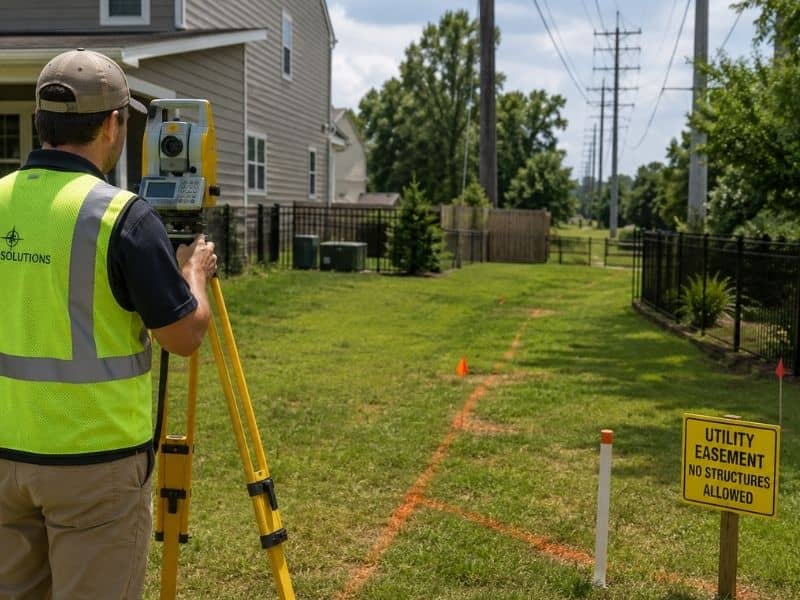
A property easement is one of the most misunderstood terms in real estate. Many homeowners do not know an easement exists on their property until a surveyor or title company points it out. Understanding what easements are and how they affect your land can save you from costly surprises.
What Is a Property Easement?
A property easement is a legal right that allows someone else to use a portion of your land for a stated purpose. The person or organization with the easement does not own the land. They simply have the right to use it. The easement is tied to the land, not the owner.
An easement is a legal agreement recorded in property records. It gives a person, company, or government agency the right to use part of your land. That right stays with the land even when the property is sold, meaning a new owner takes on any existing easements.
For example, a utility company may have an easement across the back of your property to access power lines. You still own the land, but the utility company has the legal right to enter and work in that area when needed.
Common Types of Property Easements
The most common types of property easements are utility easements, drainage easements, access easements, and conservation easements. In Atlanta, utility and drainage easements are especially common due to the region’s dense infrastructure and stormwater management requirements. Each type limits how the property owner can use that portion of the land.
There are several types of easements that may appear on a property survey or title report.
Utility Easement.This is the most common type. It gives power companies, gas providers, or water and sewer utilities the right to access part of your land. You cannot build permanent structures in this area.
Drainage Easement.This allows water to flow across your property through a set path. Local governments often require drainage easements to manage stormwater. Property owners cannot block or fill these areas.
Access Easement. Also called an ingress and egress easement, this gives a neighboring owner the right to cross your land to reach a road or another property. This is common on rural tracts and subdivided land across metro Atlanta.
Conservation Easement. A landowner voluntarily gives up certain development rights to protect the natural features of the land. These preserve wetlands, forests, and farmland. The Georgia Department of Natural Resources reports that conservation easements have protected more than one million acres across the state.
Private Easement. This is an agreement between two private property owners. One owner grants the other specific rights to use a section of their land for a stated purpose.
How Does an Easement Affect Your Property?
A property easement can limit what you build, where you plant trees, and how you use a section of your land. In Atlanta, building a structure inside a utility or drainage easement can result in fines, forced removal, and legal liability. Easements can also affect your property value and financing options.
Easements can have real impacts on how you use and develop your property. Here are the most common effects:
- Building restrictions. Most easements prohibit permanent structures, fences, or landscaping within the easement area.
- Maintenance access. The party holding the easement has the right to enter your property for repairs or clearing.
- Property value. Easements in buildable areas can reduce market value. Buyers may pay less for land with significant restrictions.
- Financing issues. Some lenders will not approve a loan if an easement seriously limits the use or value of the property.
- Legal disputes. If a property owner builds inside an easement area, the easement holder can take legal action to have it removed.
How Are Easements Found on a Property?
Easements are found through a title search, a recorded plat map, or a land survey. In Atlanta, a boundary survey or ALTA/NSPS survey will identify and map all easements on a property. This is one of the most important reasons to get a survey before buying or developing any land.
Easements are recorded in county public records. Here are the main ways they are discovered:
- Title search. A title company or real estate attorney reviews recorded deeds to find any easements tied to the property.
- Recorded plat. Subdivision plats filed with the county often show drainage, utility, and access easements on the map.
- Land survey. A licensed land surveyor will locate and map all easements on the property so you can see exactly where they fall in relation to your structures and open land.
In Georgia, both the buyer and the lender have a strong interest in knowing about easements before closing.
Can a Property Easement Be Removed?
A property easement can sometimes be removed, but it is not easy. In Atlanta, removing an easement typically requires a written agreement between both parties, a legal process called easement termination, or proof that the easement is no longer needed. A real estate attorney and a licensed land surveyor are usually involved in this process.
Easements do not go away on their own. However, there are a few ways they can end:
- Written release. The party holding the easement agrees in writing to give it up. This must be recorded with the county.
- Merger. If the same person owns both properties involved, the easement may end automatically.
- Abandonment. If the easement goes unused for a long time with clear intent to abandon it, a court may declare it terminated.
- Expiration. Some easements have a time limit. Once that period ends, the easement is no longer valid.
Speak with a licensed real estate attorney if you believe an easement should be removed or is being misused.
Frequently Asked Questions
Does an easement mean someone else owns part of my land?
No. An easement does not transfer ownership. The property owner still owns the land. The easement only gives another party the right to use that portion for a specific purpose.
Will an easement show up on my property survey?
Yes. A licensed land surveyor will identify and map all recorded easements during a boundary or ALTA/NSPS survey. This is one of the key reasons to get a survey before buying or building.
Do easements transfer to a new owner when a property is sold?
Yes. Easements run with the land, not the owner. All existing easements transfer to the new owner automatically at closing. This is why reviewing easements during a title search and survey matters so much before you buy.