
Boundary Survey Cost for Combining Two City Lots
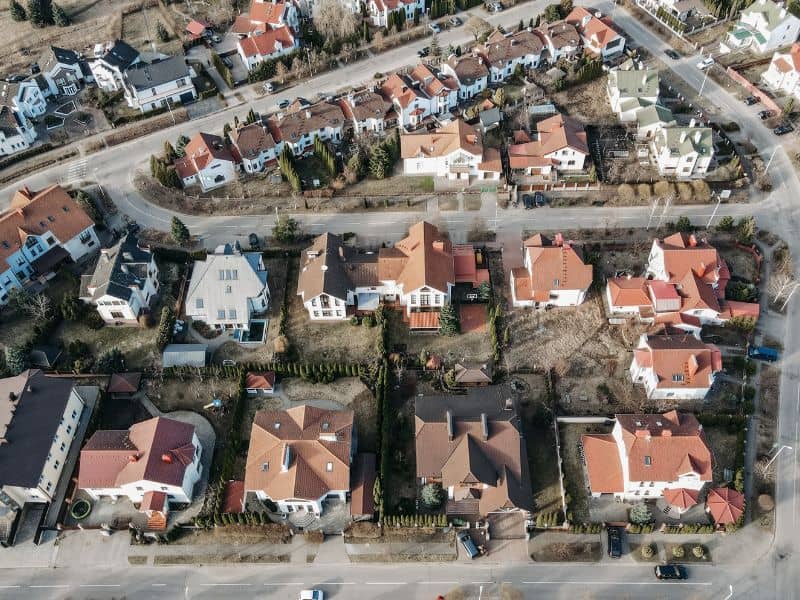
Buying the lot next door can open up room for a bigger home, a garden, a garage, or a future addition. Many owners assume the paperwork is simple once both deeds are in their name. In most cases, it isn’t. Two lots under one owner are still two separate parcels until a local approval process says otherwise, and that process usually starts with a boundary survey. Knowing what shapes the boundary survey cost for a lot combination helps you budget early and avoid delays later.
Why Lot Combination Projects Require Boundary Surveying
Local reviewers often need that information to approve a consolidation. They may want to see the lot sizes, the shared line being removed, nearby easements, and any buildings close to the outside lines. Specific requirements can vary by municipality, county, and property type, so check with the local planning or zoning office before you order work.
A survey also protects you as the owner. It can reveal an encroachment, a gap between deeds, or a fence that’s off the true line. Finding those issues before you file saves time and helps you avoid a rejected application.
How Existing Lot Records Affect Boundary Survey Cost
Records play a big role in pricing. Your surveyor starts by pulling deeds, recorded plats, prior surveys, and right-of-way maps for both lots. Clear, consistent records mean less research time, which can help keep the boundary survey cost lower.
Older city lots don’t always come with clean records. Deeds may use outdated descriptions, plats may conflict with each other, or corner monuments may be missing. Each of those problems adds research and fieldwork because the surveyor has to rebuild the evidence before setting lines.
You can help by gathering what you have before you ask for a quote:
- Deeds for both lots
- Any prior surveys or plats
- Your title commitment or policy, if available
- Notes about known fences, driveways, or neighbor concerns
Sharing these items up front gives the surveyor a better picture of the job. It also leads to a more accurate quote with fewer surprises.
Surveying Shared Lot Lines and Existing Property Improvements
The shared line between your two lots gets special attention. Even though it may disappear after approval, the surveyor still needs to locate it to show reviewers what’s being combined. That line may also matter for any recorded easements or utilities that follow it.
Improvements add to the scope. Improvements are the physical features on a property, such as houses, sheds, fences, driveways, and walls. A surveyor typically locates them to show their position relative to the lot lines. More structures, especially ones close to a line, usually mean more field time.
Site conditions matter as well. Dense trees, steep yards, tall fences, and heavy brush can slow down the crew. Older neighborhoods with mature landscaping and tight spacing between houses can take longer to survey than open, newer lots.
Additional Survey Work Needed for Lot Consolidation Plans
A boundary survey is often only part of the job. Many local processes ask for a consolidation exhibit or plat that shows the new combined parcel. Some also require a new legal description, which is the written text that describes the property’s limits in a deed or recorded document.
Other work may come up depending on your plans. If you’re building, you might need a topographic survey showing ground elevations, slopes, and drainage features. If financing is involved, a lender may have its own survey standards. If a floodplain is nearby, an elevation certificate could come into play.
Each of these items adds to the total cost. Ask your surveyor to break the quote into separate parts so you can see what each piece covers. That makes it easier to compare quotes and plan your budget in stages.
Preparing Survey Documents for Lot Combination Approval
Approval paperwork has to match the local format. Some offices want a specific sheet size, certain notes, or signed certifications. Others need recording-ready documents that meet county standards. Your surveyor can prepare drawings to fit those rules once the requirements are clear.
Plan for review time too. Reviewers may ask for changes, added notes, or extra detail. Small revisions are common, so build a little extra time into your schedule.
If your project depends on a closing date, a building permit, or a construction start, confirm survey needs early. Waiting until the last minute often leads to rushed work or delays. An early call gives everyone room to handle questions as they come up.
Frequently Asked Questions
How much does a boundary survey cost when combining two city lots?
The cost depends on the properties’ size, existing survey records, boundary evidence, site conditions, and the documentation required for the proposed lot combination. Two lots with clean records and found corners usually cost less than lots with missing monuments or conflicting deeds. Extra drawings, such as a consolidation exhibit or new legal description, add to the total. The best way to get a reliable number is to share your records and goals with a surveyor and ask for an itemized quote.
Do I need a boundary survey to combine two adjacent lots?
A boundary survey is commonly needed to establish the existing property boundaries and provide accurate information for lot consolidation plans. Specific requirements depend on the local approval process. Some offices accept a recent survey, while others want new work prepared for the application. Check with your planning or zoning office before ordering anything.
Does removing the shared lot line require additional surveying?
It may. A surveyor may need to prepare a new legal description or consolidation exhibit showing the proposed combined parcel, depending on local requirements. That work is often priced separately from the boundary survey itself. Ask about it when you request your quote so it doesn’t surprise you later.
Can existing surveys reduce the cost of combining two lots?
Existing surveys, recorded plats, and reliable boundary records may help reduce research or fieldwork, although the surveyor must still verify the information needed for the project. Older surveys may not reflect current improvements or found monuments. Even so, they give the surveyor a useful starting point. Share every record you have to help keep costs down.
Does a boundary survey automatically combine two properties into one lot?
No. A boundary survey documents property boundaries. Legally combining lots generally requires separate documentation and approval through the applicable local process. A land use attorney or the local planning office can explain the steps that apply to your property.
